
Back to the Old House – Where Cape Town Dances Together
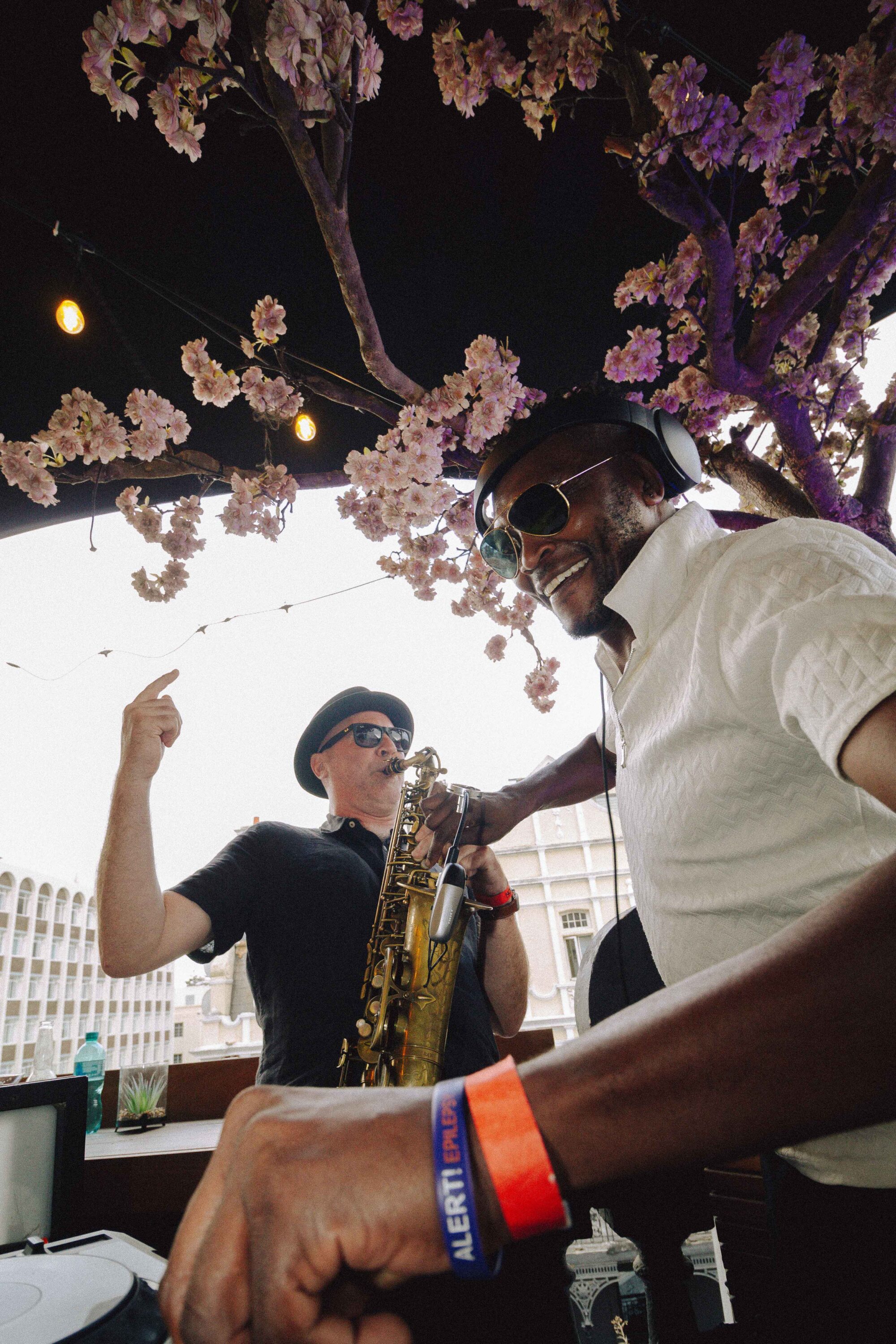
Play in Cape Town and you will find that the city’s most powerful experiences are rarely the ones you plan. On a summer afternoon, when the light turns golden and Table Mountain casts its long familiar shadow across the city, something quietly extraordinary happens. Strangers begin to arrive. Friends greet one another like family. Music drifts upward from a rooftop on Long Street, warm, soulful and unmistakably House Music. And for a moment, the city remembers something important about itself.
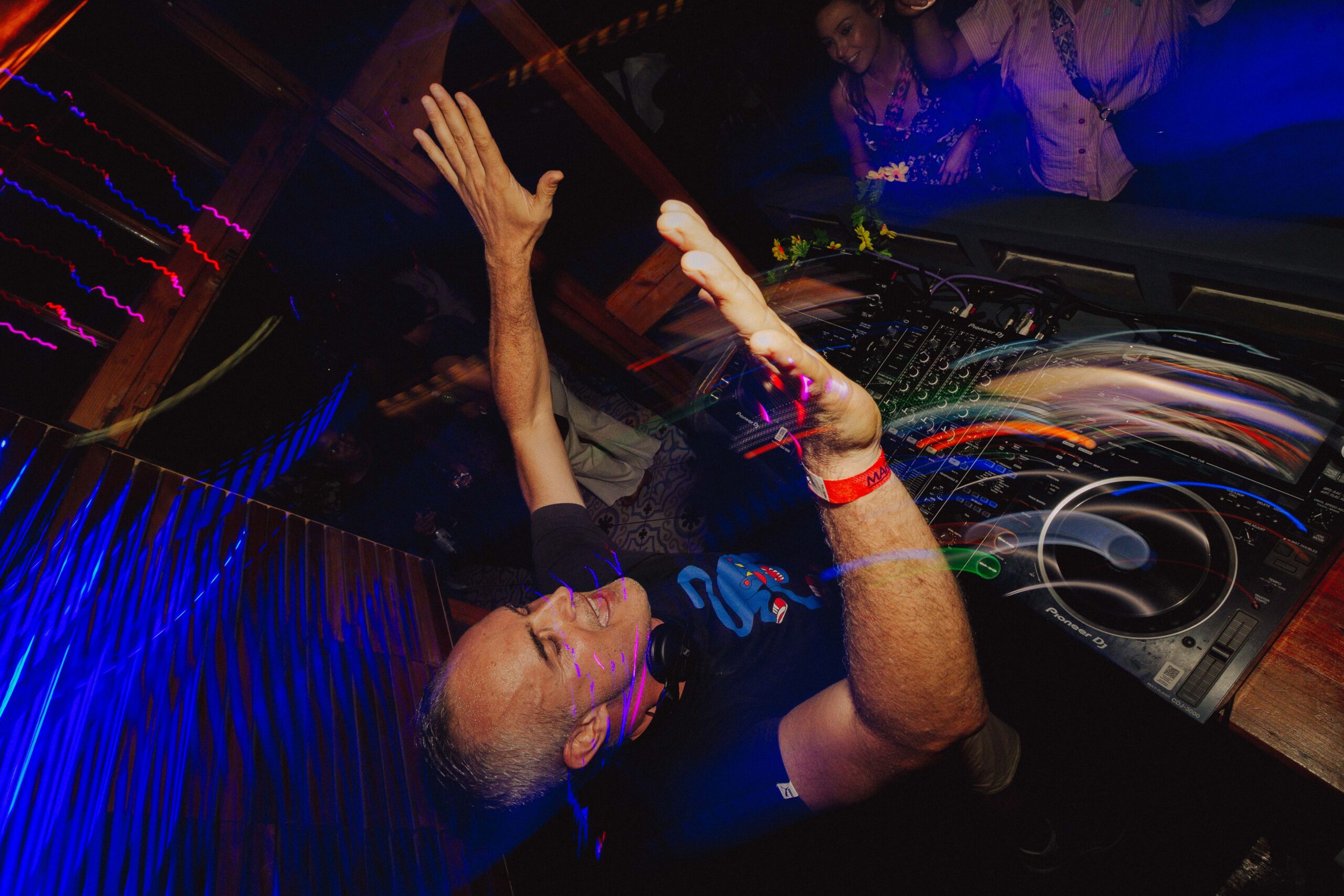
This is Back to the Old House, an annual gathering that has become one of Cape Town’s most meaningful cultural rituals. Part reunion, part celebration and part living archive, it brings together the DJs, musicians and communities who shaped the city’s house music movement in the late 1990s and early 2000s, alongside those discovering its spirit for the first time.
What House Music Meant to Cape Town
To understand why Back to the Old House matters, you need to understand what house music meant here. In the years after apartheid, while institutions and neighbourhoods were still slow to integrate, the dancefloor moved faster. House parties created some of the first genuinely non-racial public spaces many Capetonians had ever experienced. Black, white, coloured and mixed communities shared the same beat, the same joy and the same space without fear or hierarchy.
A Living Continuation, Not Nostalgia
Back to the Old House is not nostalgia dressed up as nightlife. It is a living continuation of those values. There are no VIP sections, no velvet ropes and no influencer culture. The focus is on the music and the people who make it and live it. DJs who helped define an era play alongside new generations, not as distant headliners, but as part of the same shared experience.
Each year, the event unfolds as a journey through the city’s rhythms. It begins in daylight, with rooftop grooves and easy conversation as Cape Town reveals itself in full colour – ocean air, city hum and laughter carried on the breeze. As the sun sets behind Table Mountain, the energy deepens. By nightfall, the floors are full, the music richer and the feeling unmistakable: connection.
Play in Cape Town – Culture Rooted in Memory
What makes Back to the Old House so distinctly Cape Town is that it reflects the city as it truly is: complex, creative, imperfect and deeply human. This is not a polished export version of culture. It is homegrown, community-led and rooted in memory. Many of the people gathered have been there since the beginning. Others were not yet born. On the floor, that difference quietly dissolves.
The event also connects to a wider body of work documenting this cultural moment, including a forthcoming exhibition titled The Politics of Dancing, which explores how Cape Town’s house music scene helped shape new forms of social connection in the years after apartheid. Together, they ensure that this history is not frozen in the past, but carried forward as living culture.
An Experience That Belongs to Everyone
In a world where nightlife is increasingly commercialised and fragmented, Back to the Old House offers something rare – a space where joy is shared, not sold, where music leads, not status, and where belonging is felt, not performed.
For visitors looking to play in Cape Town beyond the obvious, it is an invitation to experience the city from the inside out. For locals, it is a homecoming. And for the city itself, it is a reminder that sometimes the most powerful way forward is to return together to the places where we first learned how to move as one.
This article has been adapted from the original piece published in This is Cape Town Magazine, Volume 6, specifically for the blog. To view the original article, click here or read the full magazine online at www.thisis.capetown/resources.
Share this blog
Published |
June 25, 2026