
Cape Town: A City Shaping Its Future, Today
Cape Town is Africa’s leading destination for lifestyle, opportunity, and growth. Its global appeal is rooted in natural beauty, cultural diversity, and a forward-thinking approach to urban development. Guided by the City of Cape Town’s Spatial Development Frameworks and its Urban Planning and Design Department, the city is building a resilient, inclusive, and competitive place for generations to come — one that makes it easier to live in Cape Town today than ever before.
Investing in Natural Beauty and Public Spaces
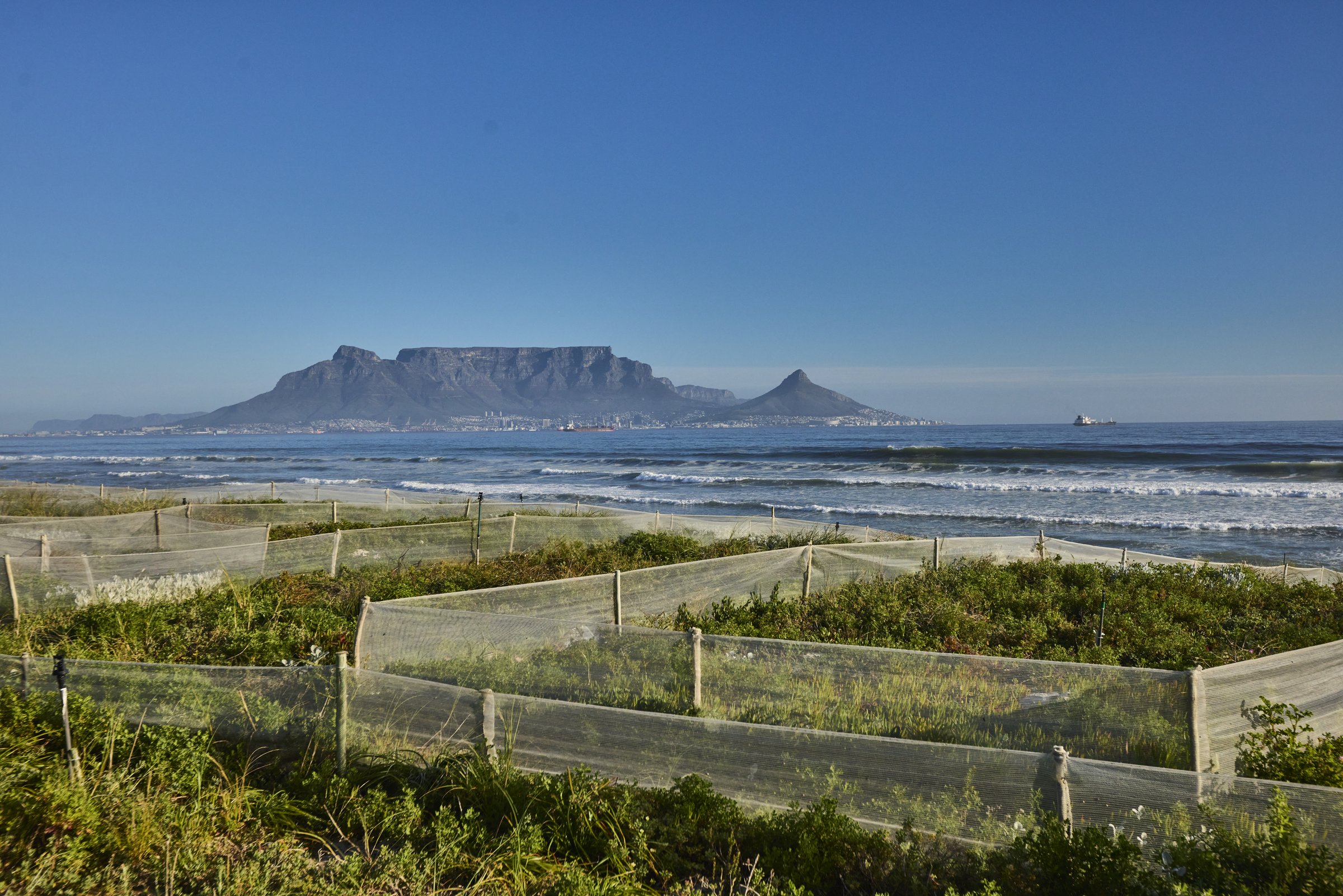
Visitors are drawn to breathtaking landscapes, heritage sites, and vibrant public spaces. From iconic Table Mountain and Kirstenbosch National Botanical Garden to revitalised beachfronts like Blaauwberg, the City invests in eco-sensitive upgrades that protect biodiversity while creating safe, accessible spaces for recreation. These enhancements celebrate Cape Town’s unique identity and ensure a world-class experience for everyone who explores its natural and cultural treasures.
Building Communities Where People Can Live in Cape Town, Together
For residents, Cape Town is committed to creating inclusive, connected, and sustainable communities. Regulatory reforms now allow property owners to optimise land use, encouraging densification near jobs and essential services. This approach supports affordability and spatial integration while addressing historic inequalities. Projects such as precinct upgrades in District Six and Bonteheuwel, eco-building initiatives in the Helderberg, and mixed-use planning along transport corridors all strengthen neighbourhood identity and improve access to amenities.
Unlocking Economic Opportunity
Economic opportunity is another cornerstone of Cape Town’s vision. Strategic spatial planning identifies growth nodes — such as the CBD, Bellville, Wynberg–Claremont, Philippi, Khayelitsha, and Somerset West — where infrastructure upgrades and zoning adjustments unlock investment and jobs. By aligning land-use planning with economic development, the City is creating accessible, job-rich hubs that attract businesses and entrepreneurs.
A Hub for Knowledge, Culture and Recreation
Cape Town is also a centre for knowledge and innovation. Its universities and research institutions drive talent development and knowledge transfer, supported by planning interventions that integrate sport and education with urban growth. Sustainability initiatives, including eco-building and climate-resilient design, reinforce the City’s commitment to responsible development.
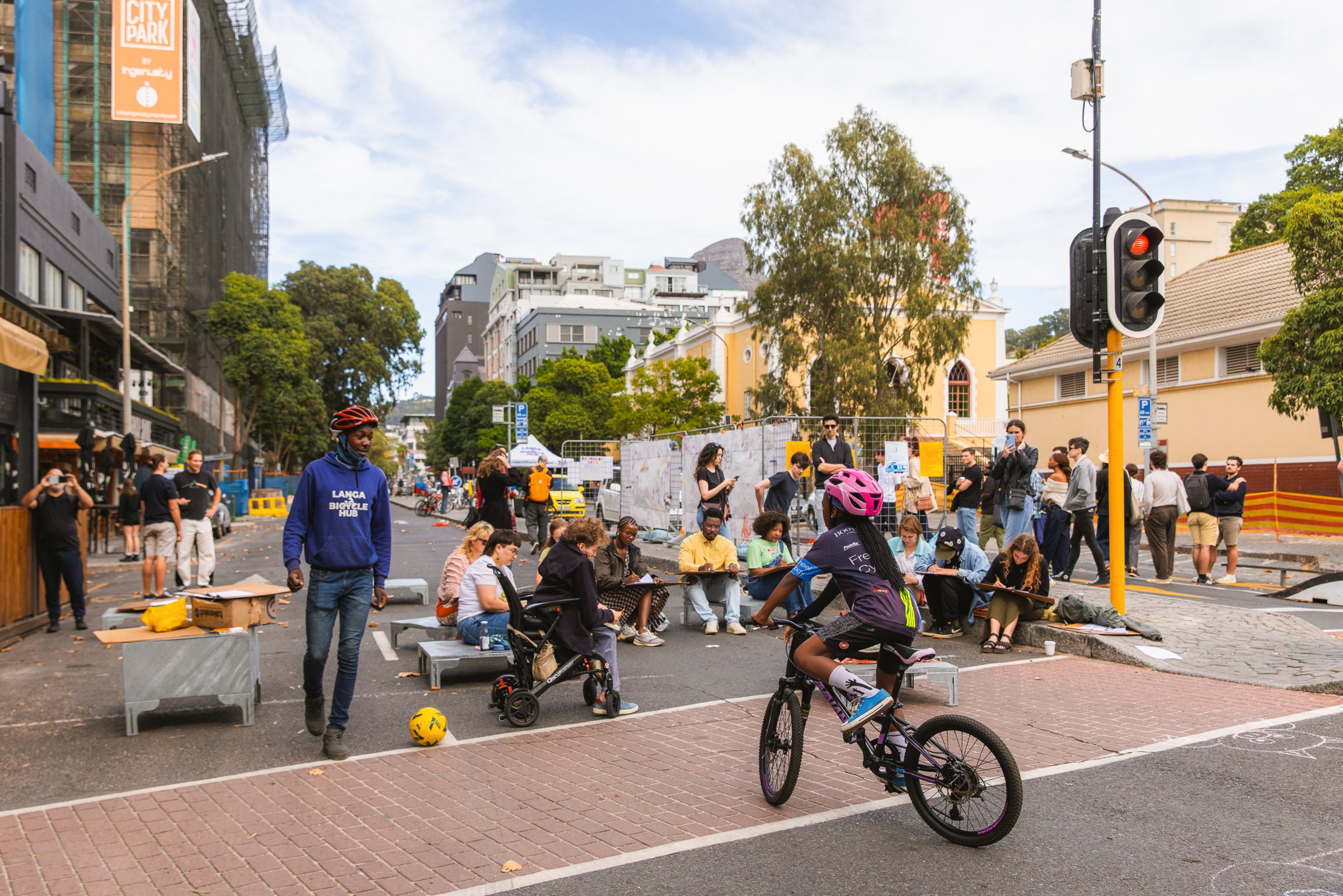
Culture and recreation thrive in Cape Town’s public spaces too. Placemaking initiatives at beaches, parks, and civic sites — including the Du Noon Library and Sport Precinct, Pampoenkraal in Durbanville, and precincts in Langa — create lively, inclusive environments where communities can connect and celebrate diversity.
A Confident, Strategic Environment for Investment
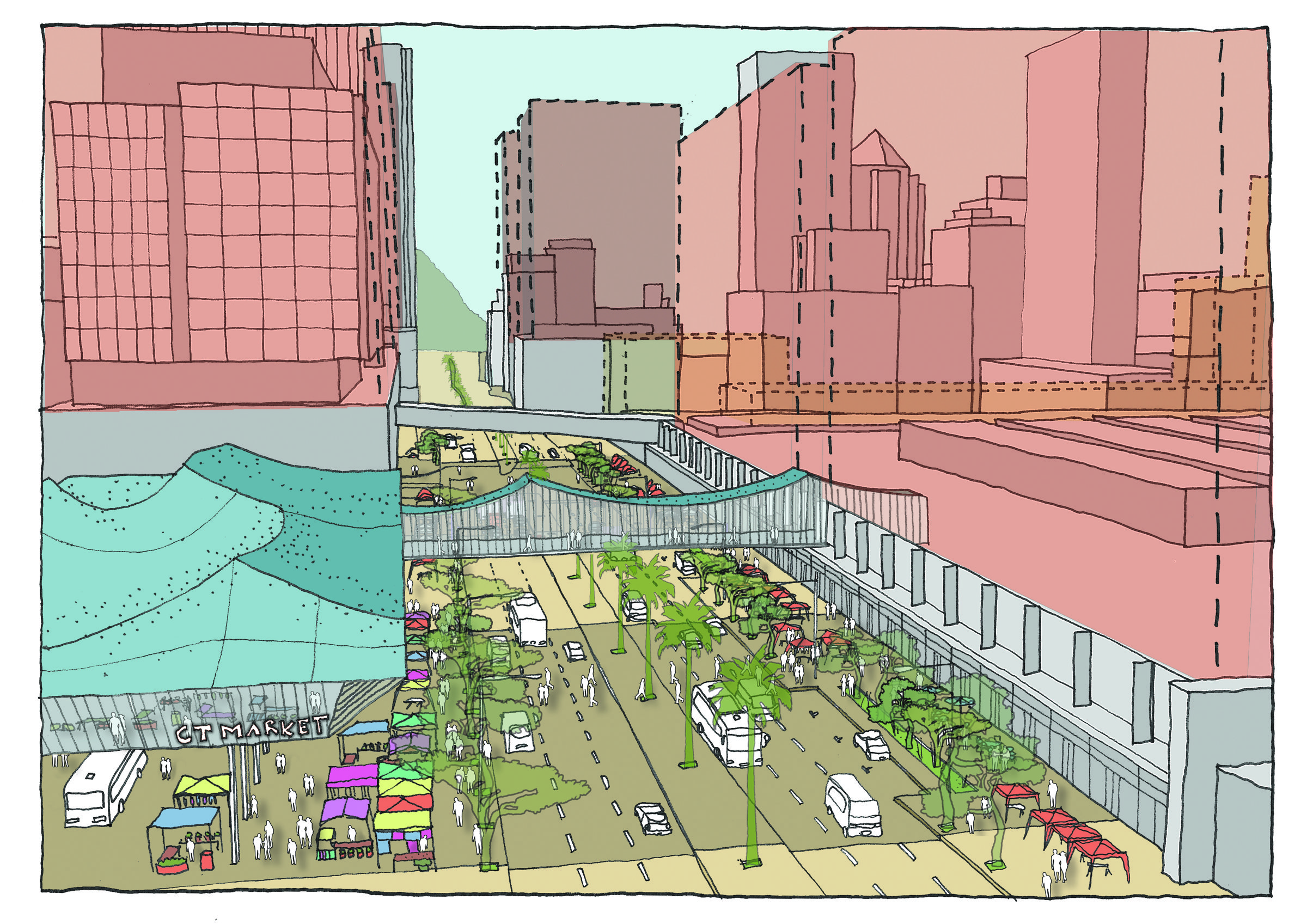
Cape Town offers a confident and strategic environment for investment. Long-term planning looks 20–30 years ahead, addressing challenges such as housing demand, inequality, and climate pressures. Key initiatives include the CBD upgrade, positioning Cape Town as a competitive hub for tourism, business, and conferences. Through regulatory reform, spatial alignment, and targeted investment in prime areas, the City strengthens opportunities for residential and mixed-use development.
These efforts reinforce Cape Town’s identity as a world-class city, offering globally recognised attractions, a Mediterranean climate, and a connected CBD linking the city’s “Seven Wonders” — Table Mountain, Cape Point and Cape of Good Hope, Kirstenbosch National Botanical Garden, Clifton and Camps Bay beaches, Boulders Beach (penguin colony), the Constantia Wine Route, and the V&A Waterfront and Robben Island — alongside the Cape Town International Convention Centre. For anyone weighing up whether to live in Cape Town, invest here, or simply visit, the city’s long-term vision makes a compelling case.
This article has been adapted from the original piece published in This is Cape Town Magazine, Volume 6, specifically for the blog. To view the original article, click here or read the full magazine online at www.thisis.capetown/resources.
Share this blog
Published |
July 22, 2026