

Invest in Cape Town: The Sky Circle and the Future of Urban Mobility
Invest in Cape Town and discover a city at the forefront of design-led urban innovation. As Africa’s first UNESCO World Design Capital, Cape Town continues to pioneer solutions that improve connectivity, mobility and economic opportunity.
One of the most ambitious examples of this approach is the Sky Circle — a groundbreaking transport project designed to transform one of the city’s busiest intersections while setting a new benchmark for infrastructure across the continent.
From Traffic Jam to Traffic Solution
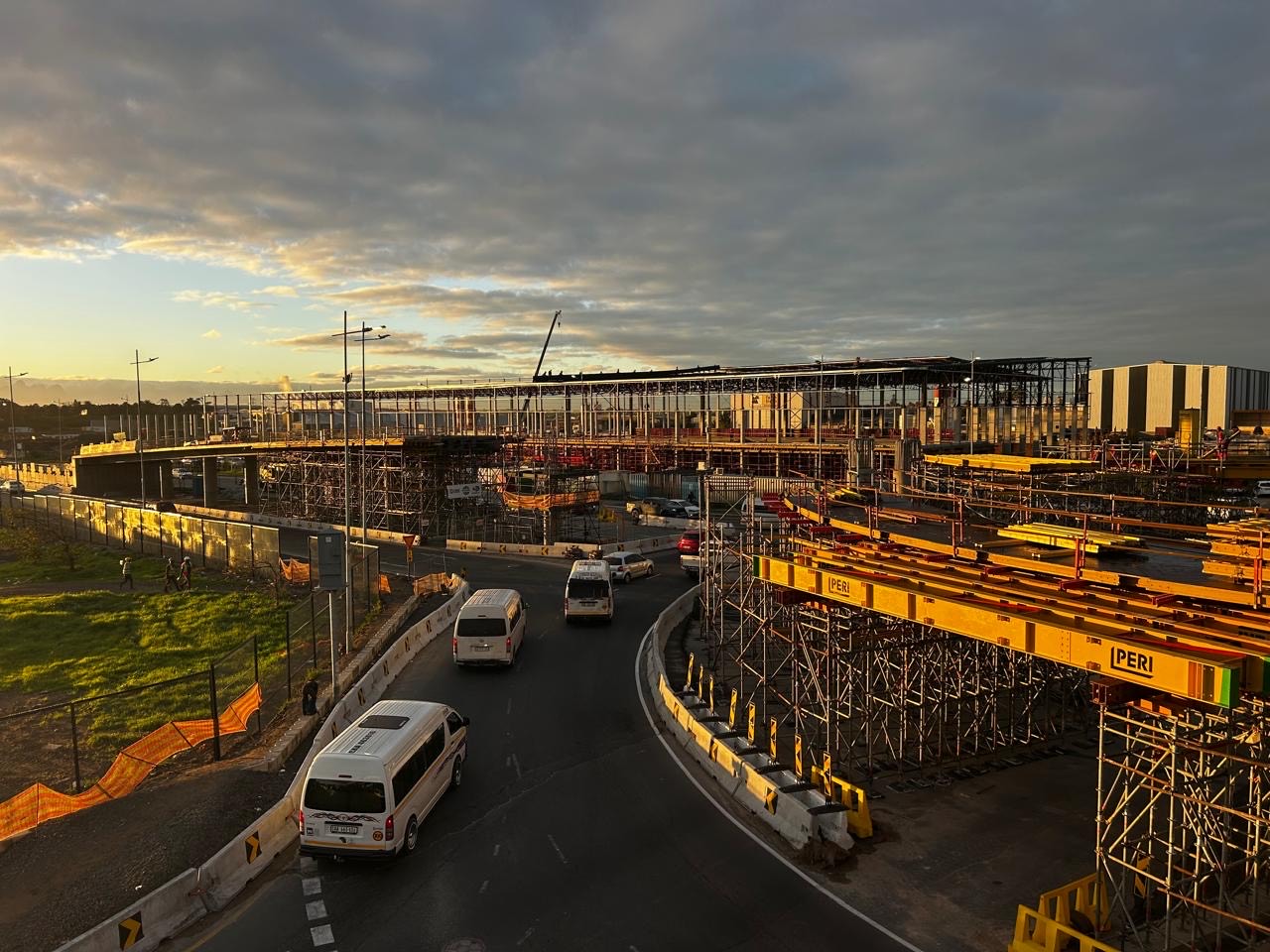
Cape Town’s Urban Mobility Directorate undertook a detailed review of the city’s road network to address congestion challenges. The intersection of Jan Smuts Drive and Govan Mbeki Road was identified as a key pressure point, with persistent traffic backlogs affecting commuters.
Multiple solutions were explored, including improved road signage, optimised traffic signal systems and enhanced public transport services. Central to this strategy is the expansion of the MyCiTi Bus service, aimed at reducing reliance on private vehicles and improving accessibility across the city.
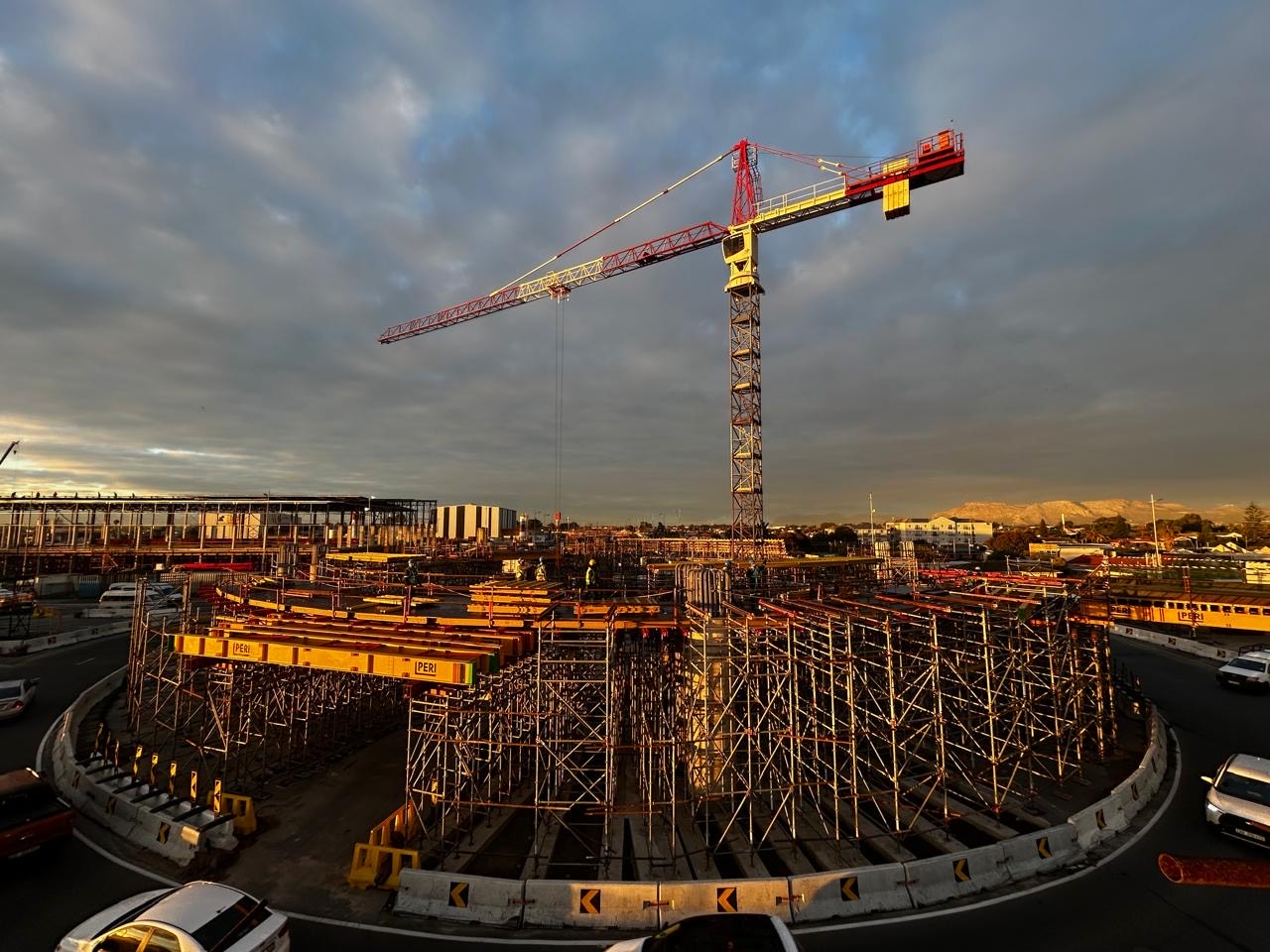
The result is the introduction of the Sky Circle — an elevated traffic circle dedicated to MyCiTi buses, designed to streamline movement and reduce congestion at ground level.
A Historic Infrastructure Milestone
The Sky Circle will be the first structure of its kind in Africa. Elevated 6.2 metres above the intersection, it separates bus traffic from general vehicles, improving travel efficiency and reducing delays.
By prioritising public transport, the project supports greater access to jobs and economic opportunities, particularly for residents in historically underserved areas.
As Dalene Campbell, Executive Director for Urban Mobility, explains, the vision is to create a more connected city where all transport users can move efficiently and safely.
Engineering a Circle in the Sky
The Sky Circle earns its name from its distinctive design — a hollow elevated circle that allows natural light to reach the intersection below while creating a striking architectural feature.
Constructing the structure on the soft soils of the Cape Flats required advanced engineering solutions. Extensive piling and foundation work ensures stability, while the design accommodates the continuous load of MyCiTi buses in a high-traffic environment.
Galvanised steel is used to protect against corrosion in Cape Town’s coastal climate, while in-situ concrete and pre-stressed structural elements provide additional strength and durability across the circular structure and connecting ramps.
Forward-Thinking Urban Design
The Sky Circle represents more than infrastructure — it reflects Cape Town’s commitment to innovation in urban mobility. By combining functionality, resilience and design, the project sets a new standard for future developments.
It also forms part of the broader R7.4 billion MyCiTi Phase 2A expansion, funded by the National Department of Transport. Beyond transport improvements, the project supports job creation, skills development and local business participation.
As Johan Fowler, Manager of Public Transport Implementation and Partnership, notes, addressing complex urban challenges requires agility and forward-thinking design.
A Glimpse of Cape Town’s Future
The Sky Circle highlights Cape Town’s ability to translate bold ideas into practical solutions. It is a symbol of a city investing in infrastructure that supports growth, inclusion and long-term sustainability.
For those looking to invest in Cape Town, projects like this demonstrate a commitment to building a connected, efficient and future-ready urban environment.
Cape Town continues to lead through innovation — shaping a city designed for the future.
This article has been adapted from the original piece published in This is Cape Town Magazine, Volume 5, specifically for the blog. Explore This is Cape Town Resources here.
Share this blog
Published |
April 6, 2026


