

Sip, Savour, and Explore: Why the Cape’s Wine Regions Are a Must-Visit
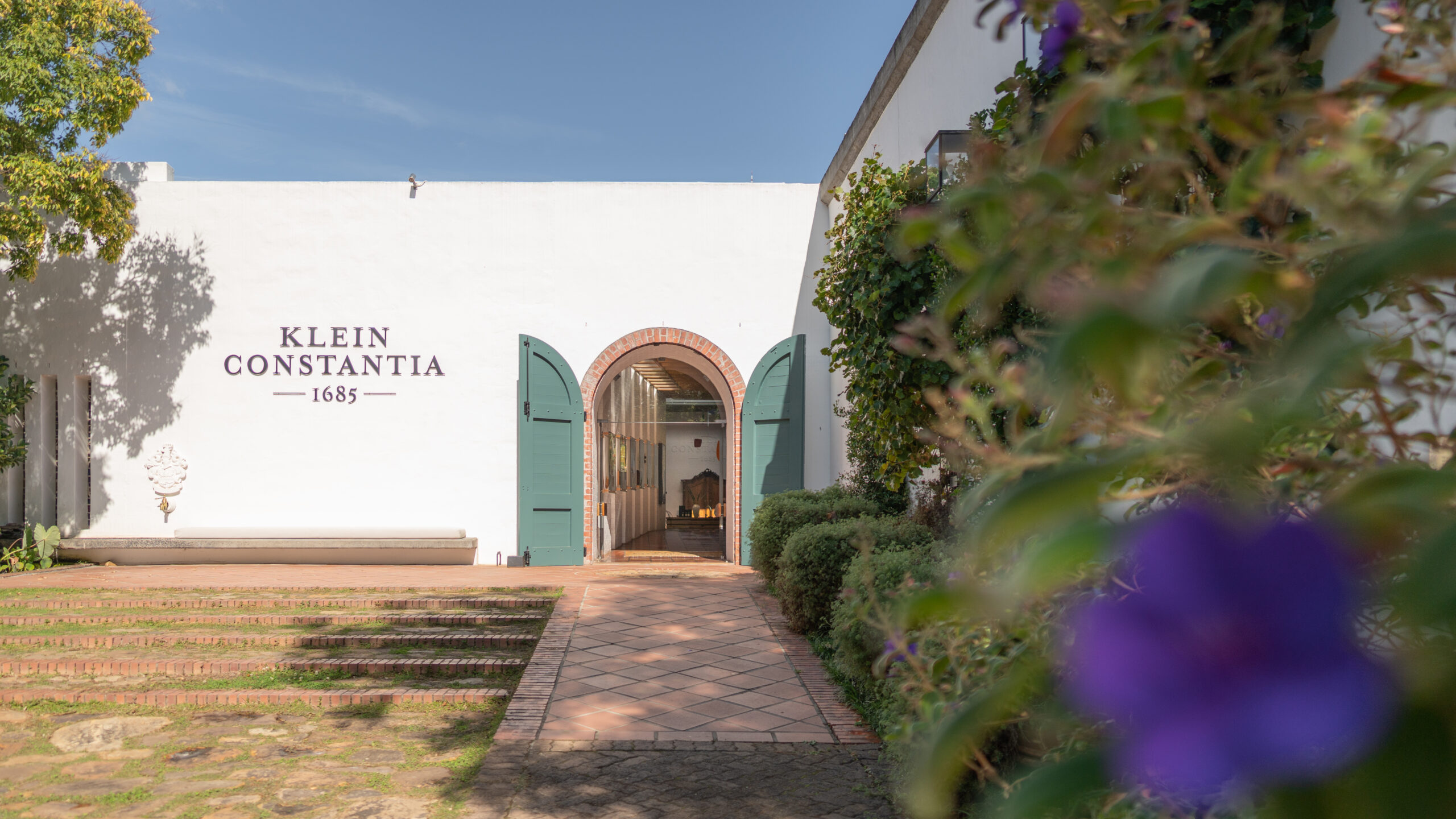
If you visit Cape Town for one thing, make it the wine. The Cape is uncorking excellence, and the world is taking note: two of the region’s standout estates earned spots on the coveted World’s 50 Best Vineyards list, with Klein Constantia in the Constantia Valley ranked an impressive No. 6, followed closely by Creation Wines in Hemel-en-Aarde at No. 7.
The Cape’s winemaking brilliance doesn’t end there — Tokara, Delaire Graff, La Motte, and Hamilton Russell all featured in the Top 100, proof that this is one wine destination the world can’t get enough of. From historic estates dating back centuries to modern cellar doors with panoramic mountain views, the region’s appeal goes far beyond awards. Whether you’re an experienced oenophile or a curious first-time taster, there’s something for everyone.
Where to Visit Cape Town’s Best Wine Regions
Constantia Valley: home to some of the oldest and most prestigious farms in the country, all close enough together for easy visiting. You can hop from one to another with minimal fuss, though we’d recommend two to three days to properly explore. Groot Constantia, Klein Constantia, Steenberg Vineyards, Constantia Glen Wine Estate, Beau Constantia, Buitenverwachting, Constantia Uitsig, Eagle’s Nest, and Silvermist all await, each with its own charm but sharing the same attention to detail.
Durbanville Valley: the wine route here takes at least a day or two, with 12 farms to choose from, including Altydgedacht, Bloemendal, D’Aria, De Grendel, Diemersdal, Durbanville Hills, Hillcrest, Klein Roosboom, Meerendal, N’Tida, Groot Phesantekraal, and Signal Gun — some offer unusual pairing experiences (think chocolate and pizza), others are set up for families.
Stellenbosch: one of South Africa’s most renowned wine regions, showcasing award-winning estates such as Tokara and Delaire Graff alongside 148 wine farms across five sub-routes — Greater Simonsberg, Stellenbosch Berg, Helderberg, Stellenbosch Valley, and Bottelary Hills. Expect bold reds, elegant whites, and tasting rooms that pair contemporary design with vineyard views, plus scenic cycling routes for those who’d rather taste on two wheels.
Franschhoek Valley: South Africa’s self-styled gourmet capital, home to La Motte Wine Estate and a seamless blend of wine, cuisine, and culture. Wander the village streets, book a cellar tour, or pair artisanal wines with local cheeses and chocolates.
Hemel-en-Aarde Valley: nestled along the rugged Cape coast, this cool-climate region produces world-class Chardonnay and Pinot Noir. Estates like Creation Wines and Hamilton Russell Vineyards offer intimate tastings with sweeping mountain and Atlantic views — ideal for a day trip or a romantic escape.
Experiences Beyond the Glass
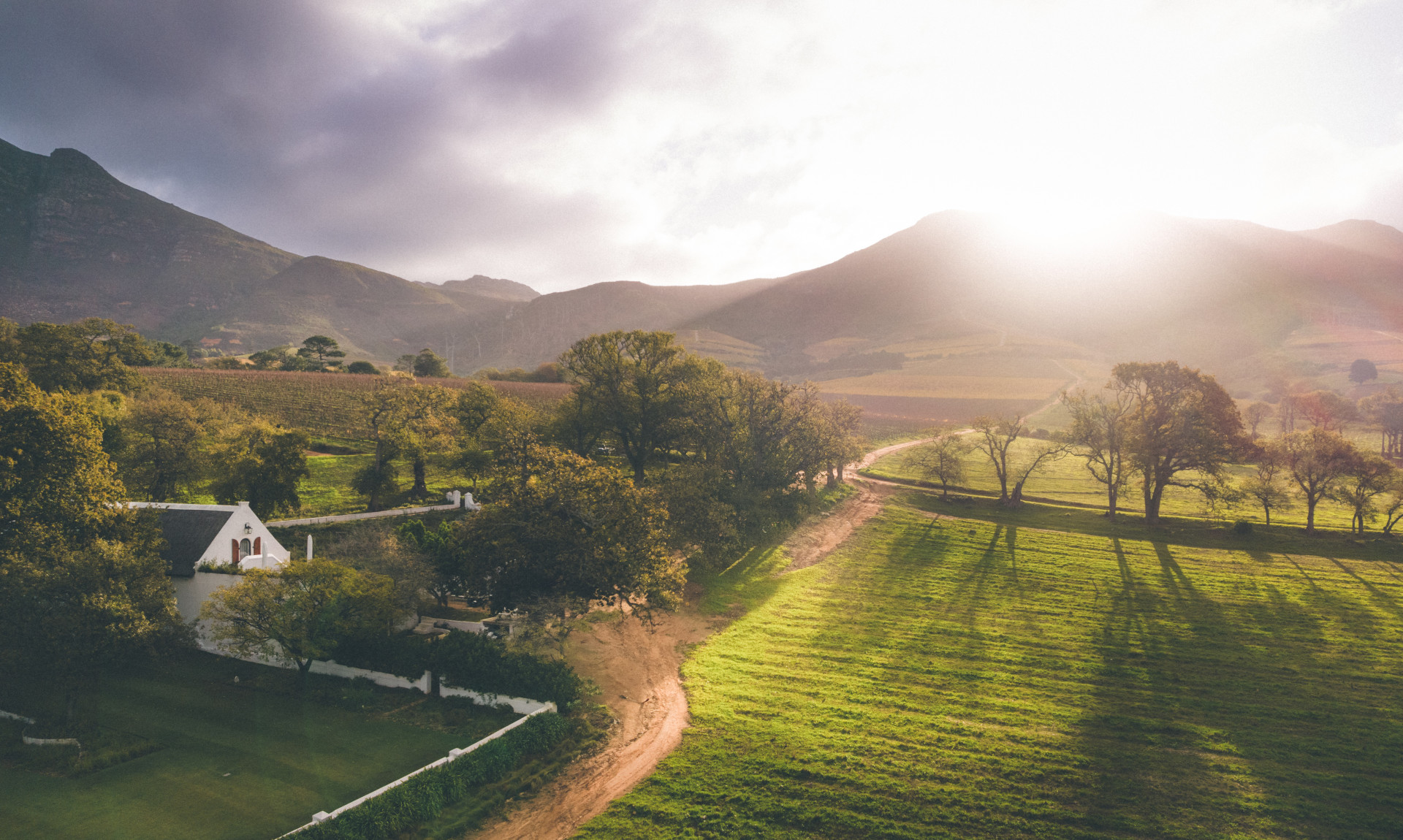
The Cape’s wine regions reward more than a quick tasting. Cycle or horseback trails let you discover vineyards at a slower pace, with fresh air and dramatic mountain backdrops. Many estates run gourmet pairing menus, from cheese and charcuterie boards to full multi-course meals matched with estate wines. Others focus on cultural connections — meeting the winemakers behind the label and learning about farming practices that respect both land and community. A handful even offer on-estate stays, so you can wake up to sunrise over the vines.
As Cape Town Tourism‘s Chief Marketing Officer, Briony Brookes, puts it: “The Cape offers more than just fine wine; we create unforgettable experiences. From historic estates to innovative cellar doors, our vineyards tell stories with every sip.”
With the Cape’s wine regions gaining worldwide acclaim, now is the moment to visit Cape Town and taste it for yourself.
This article has been adapted from the original piece published in This is Cape Town Magazine, Volume 6, specifically for the blog. To view the original article, click here or read the full magazine online at www.thisis.capetown/resources.
Share this blog
Published |
July 8, 2026


