

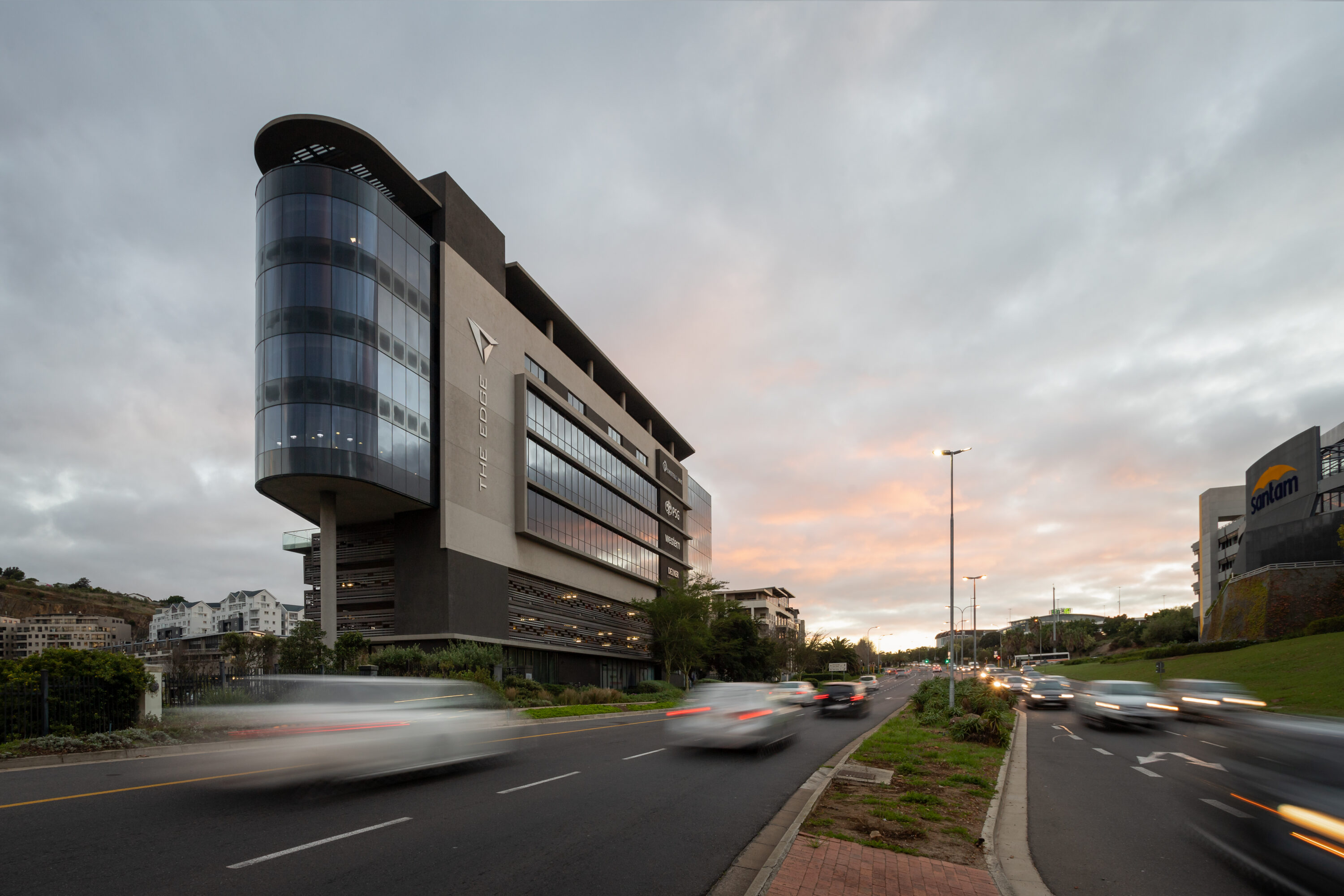
Transforming Bellville: Placemaking, Partnerships and Progress
The Greater Tygerberg Partnership (GTP) is redefining what sustainable urban renewal looks like in Cape Town’s Northern Suburbs. With Bellville at the centre of its mission, the GTP is actively shaping a future African city through innovation, strategic collaboration and community-centred development.
For the past 11 years, this not-for-profit organisation has served as an engine of regeneration for Bellville and surrounding areas. By focusing on placemaking, environmental impact, stakeholder engagement and economic revitalisation, GTP has become a driving force in the city’s evolving urban story.
A City Built on Collaboration
GTP’s origins can be traced to the success of the Cape Town Partnership in the CBD. That initiative proved how strategic partnerships between public and private sectors could unlock growth, boost property values, and reinvigorate urban spaces. In Bellville, GTP is building on that legacy – working hand-in-hand with the City of Cape Town to modernise infrastructure, attract investment and improve quality of life.
“A partnership approach underpins the efforts to regenerate Bellville,” says Warren Hewitt, CEO of GTP. “GTP serves as a connective hub between stakeholders in the public and private sectors to achieve shared goals for the upliftment, enhancement and regeneration of Bellville.”
Through joint funding agreements and coordinated public engagement, the City has acknowledged the importance of the work being done. And the private sector is responding with growing interest in sustainable, community-driven development.
Connecting Communities, Creating Opportunity
At the heart of GTP’s strategy is a deep commitment to placemaking and inclusive urban space design. One of its standout programmes – better. bellville. together. – is a City-funded placemaking initiative that has already created over 50 jobs. With an economic return of over R30 million, it shows how targeted, people-focused urban interventions can deliver social and economic value far beyond aesthetics.
The programme also has a major environmental footprint: over 243 tonnes of organic and recyclable waste are now diverted from landfills each year. That’s a significant impact – not only for the environment, but for operational savings across public and private infrastructure.
Reducing Red Tape, Encouraging Growth
While red tape remains a challenge to fast-tracked development, GTP is actively working to streamline engagement with municipal systems. As a key interface between developers and government departments, GTP fosters trust and alignment – accelerating approvals and easing barriers to entry for prospective investors and developers.
“Our programmes are segmented into various parts,” says Hewitt, “but they all come back to three goals: driving economic growth, implementing sustainable environmental programmes and partnering on placemaking and public space initiatives.”
A Blueprint for Inclusive African Cities
GTP’s holistic model of regeneration has become a reference point for city makers, urban planners, and developers alike. From waste management to cultural connection, infrastructure upgrades to job creation, the Bellville model shows what’s possible when communities, business and local government come together.
“As South Africans, if we are prepared to stand up and make a small difference collectively, that ground swell can have a huge impact. Everyone just needs to do their bit, to make a sustainable change. Really, the appeal is just to get involved.” – Warren Hewitt
To find out more, visit www.gtp.org.za or email ceo@gtp.org.za.
Share this blog
Published |
June 2, 2025