

Ukukhanya Arts Project: Where Science, Art and Community Meet
Visit Cape Town and discover stories that connect creativity, science and community through the Ukukhanya Arts Project. This unique initiative brings together artistic expression and scientific knowledge, transforming complex ideas into experiences that resonate on a human level.
Founded more than two decades ago by Professor Clive Gray, an internationally recognised immunologist and photographer, and Abueng Junior, a poet and creative director, Ukukhanya was built on a bold vision: to bridge the worlds of science and art. :contentReference[oaicite:0]{index=0}
A Vision Where Science Meets Creativity
At its core, Ukukhanya transforms the language of immunology into artistic expression. Through poetry, photography, theatre and music, the project makes ideas such as immunity, resilience and health more accessible, engaging and relatable.
Rather than remaining confined to laboratories and academic journals, scientific knowledge is shared through creative platforms that invite emotional connection and curiosity.
From Grassroots Beginnings to Global Stages
What began as a grassroots initiative in Alexandra township in Johannesburg evolved into a movement that has reached audiences across the world. Young participants were given a platform to explore identity, resilience and hope while engaging with scientific themes.
In 2006, the project brought a group of performers from Alexandra to North Carolina in the United States, where they performed to full audiences. For many, it was a first international experience — one that opened pathways into creative careers and expanded their sense of possibility.
Building Resilient Communities
Ukukhanya’s mission is rooted in community development. Through workshops, performances and creative programmes, young people are encouraged to explore both artistic expression and scientific understanding.
The project draws a parallel between the human immune system and society itself — aiming to build resilience against challenges such as poverty, crime and unemployment through knowledge and creativity.
A New Chapter in Cape Town
The project has continued to evolve, with a renewed focus in Cape Town through collaboration with jazz vocalist and community leader Babalwa Mentjies. This phase expanded Ukukhanya’s reach into communities such as Khayelitsha and Masiphumelele, introducing music as a central element alongside theatre and photography.
On 24 September 2024, Ukukhanya was relaunched with a full-day ensemble performance at Theatre Arts in Observatory, marking a new chapter in its journey.
Masiphumelele Ontogeny: A Story of Growth
The production Masiphumelele Ontogeny, directed by Luxolo Rapula Mboso and co-written with Abueng Junior, reflects two decades of the project’s creative evolution.
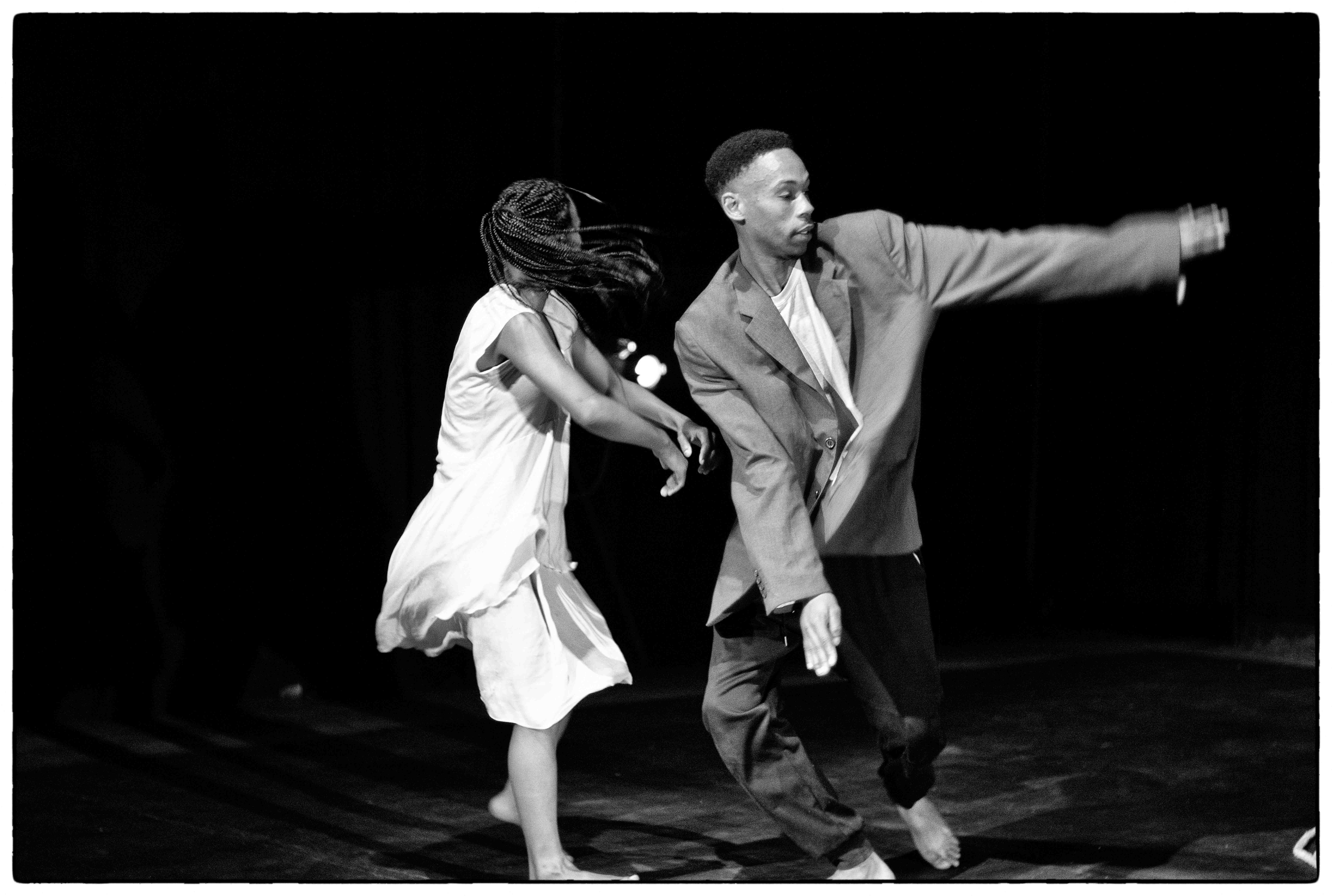
Through theatre, photography and storytelling, the production traces the lives of young people from Masiphumelele township over twenty years. Themes of identity, belonging and resilience are explored as visual imagery and performance come together on stage.
The production was staged in early 2025 at Theatre Arts, with performances accompanied by live jazz from Babalwa Mentjies and her quartet.
Education, Collaboration and Impact
Ukukhanya works in partnership with the Immunopaedia Foundation, which supports its educational programmes. Founded by Professor Clive Gray, the platform provides accessible immunology education to healthcare professionals and students globally, particularly in low- and middle-income countries.
Together, these initiatives demonstrate how science and art can intersect to educate, inspire and empower communities.
A Legacy of Light
Ukukhanya, meaning “light”, reflects the project’s ongoing impact. From photography and poetry to performance and music, it continues to illuminate the connections between knowledge, creativity and lived experience.
For those looking to visit Cape Town and engage with its cultural landscape, projects like Ukukhanya offer insight into how the city’s creative energy connects with broader global conversations.
This article has been adapted from the original piece published in This is Cape Town Magazine, Volume 5, specifically for the blog. Explore This is Cape Town Resources here.
Share this blog
Published |
April 22, 2026


